
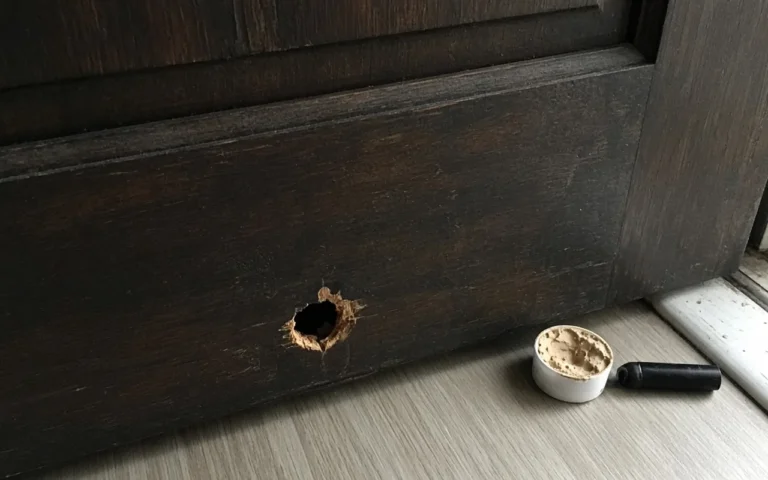
Repairing a hole in a stained wood door requires matching the color perfectly to maintain the door’s aesthetic. This can be achieved through careful selection of stains and finishes that blend seamlessly with the existing wood.
Determine Wood Type for Color Matching
Identifying the type of wood in your stained door is crucial for achieving a perfect color match. Different woods absorb stains differently, affecting the final appearance. This section will guide you through the process of determining your wood type, ensuring your repair blends seamlessly with the existing finish.
Before proceeding with repairs, determine the wood type of your door. Common types include oak, pine, and mahogany. Each wood type absorbs stain differently, affecting the final color match.
-
Oak has a prominent grain and typically requires a gel stain for even coverage.
-
Pine is softer and may need a pre-stain conditioner to prevent blotching.
-
Mahogany is rich and dark, often requiring fewer coats of stain.
Essential Repair Supplies for Color Matching
To achieve a seamless repair on a stained wood door, having the right supplies is crucial. This section outlines the essential tools and materials needed for color matching, ensuring that your repair blends perfectly with the existing finish. By gathering these items, you can tackle the task with confidence and precision.
Collect the necessary supplies for the repair. Having everything on hand will streamline the process.
| Item | Purpose |
|---|---|
| Wood filler | Fills the hole |
| Sandpaper | Smooths the surface |
| Stain | Matches existing color |
| Clear finish | Seals the repair |
| Brushes | Applies stain and finish |
Prepare the Area for Repair
Before starting the repair on a stained wood door, it’s essential to prepare the area properly to ensure a seamless finish. This involves cleaning the surface, removing any loose debris, and protecting surrounding areas from dust and damage. Taking these steps will create an ideal environment for achieving a perfect color match during the repair process.
Preparation is crucial for a successful repair. Clean the area around the hole to remove any dust or debris.
-
Sand the edges of the hole to create a smooth surface.
-
Apply wood filler to the hole, ensuring it slightly overfills.
-
Allow the filler to dry completely as per the manufacturer’s instructions.
Stain Color Matching Techniques
Matching the stain color of a wood door can be a challenging task, especially when dealing with existing finishes. Understanding various techniques for color matching will help ensure a seamless repair that blends perfectly with the surrounding wood. This section explores effective methods to achieve that ideal match, allowing for a flawless restoration.
Matching the stain color involves a few steps. Start by testing stains on a scrap piece of the same wood type.
-
Select a base stain that closely resembles the existing color.
-
Test the stain on a small, inconspicuous area of the door or on a scrap piece.
-
Adjust the color by mixing different stains if necessary.
Staining Techniques for Color Matching
When it comes to repairing a hole in a stained wood door, achieving a seamless color match is crucial for a professional finish. This section explores various staining techniques that can help you replicate the original hue of your door, ensuring that your repairs blend in naturally and enhance the overall appearance of the wood.
Once the color is matched, proceed with applying the stain and finish.
-
Use a brush to apply the stain evenly over the filled area.
-
Allow the stain to penetrate for the recommended time before wiping off excess.
-
Apply a clear finish to seal the repair and protect the wood.
Stain Color Matching Environmental Considerations
When matching stain colors for a wood door, environmental factors play a crucial role in achieving a perfect blend. Variations in lighting, humidity, and surrounding decor can significantly influence how the stain appears once applied. Understanding these elements will help ensure that your color choice complements both the door and its environment seamlessly.
Environmental factors can affect the final appearance of the stain.
-
Lighting can change how colors are perceived. Check the match in different lighting conditions.
-
Humidity can affect drying times. Ensure the area is well-ventilated.
Post-Repair Inspection and Color Matching
After repairing a hole in a stained wood door, the next crucial step is to ensure the color matches seamlessly with the existing finish. This process involves careful inspection and the right techniques to achieve a uniform appearance. Understanding how to assess and blend colors will help restore the door’s aesthetic integrity.
After the repair is complete, inspect the area for any imperfections.
-
If necessary, sand lightly and apply a second coat of stain.
-
Regularly maintain the door by cleaning and reapplying finish as needed to preserve its appearance.
Wood Filler Drying and Staining Tips
When repairing a hole in a stained wood door, achieving a seamless color match is crucial for a professional finish. Understanding the drying process of wood filler and the intricacies of staining can significantly enhance the final appearance. This section provides essential tips to ensure your repairs blend flawlessly with the existing wood.
Ensure the wood filler is completely dry before applying stain to avoid color discrepancies.
Color Matching Solutions for Stained Wood Doors
When dealing with a hole in a stained wood door, achieving a seamless color match is essential for restoring its original beauty. This section explores effective techniques and tips for selecting the right stain and finish, ensuring that your repair blends perfectly with the existing wood grain and color.
If the color does not match perfectly, consider the following solutions.
-
Re-staining may be necessary if the initial match is off.
-
Layering stains can help achieve the desired shade if the first attempt is unsatisfactory.
Explore Alternative Repair Methods
When dealing with a hole in a stained wood door, exploring alternative repair methods can provide effective solutions beyond traditional patching. These techniques not only address the damage but also help maintain the door’s aesthetic appeal, ensuring that the repair blends seamlessly with the existing finish. Understanding these options can empower you to achieve a flawless restoration.
In some cases, replacing the door might be more efficient than repairing it.
-
Consider a pre-stained door for a perfect match.
-
Evaluate the cost of repair versus replacement based on the door’s value and condition.
Color Matching Techniques for Stained Wood
When repairing a hole in a stained wood door, achieving the right color match is crucial for a seamless finish. This section explores effective techniques for color matching stained wood, ensuring that your repair blends perfectly with the existing wood grain and hue. Using the right methods will help maintain the door’s aesthetic appeal and integrity.
Follow these steps to ensure a flawless repair on your stained wood door. Matching the color perfectly requires patience and attention to detail, but the results will enhance your door’s overall appearance.
