

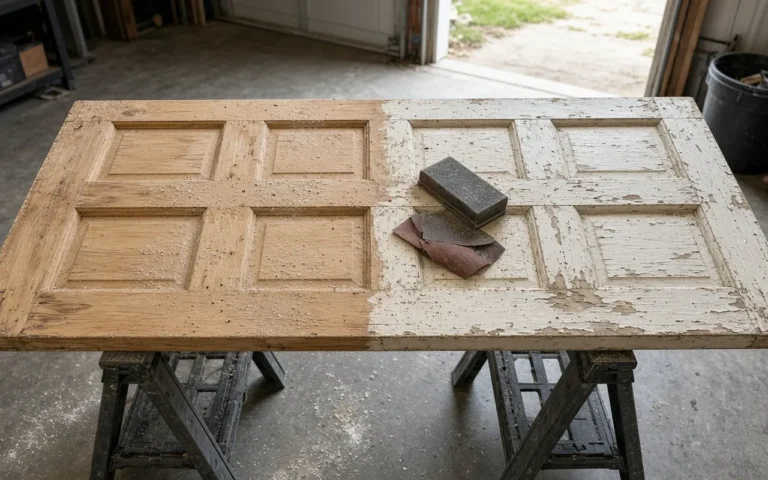
To properly sand down a wood door, start with the right tools and techniques to achieve a smooth finish. This process involves selecting appropriate sandpaper, preparing the door, and executing the sanding technique effectively.
Essential Tools for Sanding Wood Doors
To achieve a smooth and professional finish when sanding wood doors, having the right tools is essential. This section outlines the key equipment you’ll need to effectively prepare your door’s surface, ensuring optimal results and a flawless appearance. Understanding these tools will set the foundation for a successful sanding project.
Before starting the sanding process, ensure you have all necessary tools and supplies on hand. This preparation helps streamline your work and enhances efficiency. The following items are essential for sanding a wood door:
Orbital sander or hand sander
Sandpaper in varying grits (60, 120, 220)
Dust mask for protection
Safety goggles to shield your eyes
Tack cloth for dust removal
Wood filler for repairing imperfections
Paint or stain for finishing
| Tool/Supply | Purpose |
|---|---|
| Orbital sander | Provides even sanding |
| Sandpaper | Different grits for various stages |
| Dust mask | Protects from inhaling dust |
| Safety goggles | Shields eyes from debris |
| Tack cloth | Removes dust before finishing |
| Wood filler | Repairs dents and scratches |
| Paint or stain | Final finish for the door |
Remove Hardware and Position Door Flat
Preparation is crucial for achieving a professional finish. Start by removing the door from its hinges and laying it flat on a stable surface. Use a screwdriver to detach any hardware, such as knobs and hinges. This step prevents damage during sanding.
Next, inspect the door for imperfections. Fill any dents or scratches with wood filler and allow it to dry completely. Once dry, sand the filled areas lightly with 220-grit sandpaper to ensure a level surface.
Sanding Techniques for Wood Doors
Begin sanding with 60-grit sandpaper to remove old finish and smooth rough areas. Use an orbital sander for larger surfaces and a hand sander for edges and corners. Maintain a consistent pressure and move the sander in the direction of the wood grain to avoid scratches.
After the initial sanding, switch to 120-grit sandpaper to refine the surface further. This grit helps eliminate any scratches left by the coarser sandpaper.
Finally, finish with 220-grit sandpaper to achieve a smooth, polished surface. Ensure you sand all areas evenly, paying special attention to edges and corners.
Clean the Surface Before Finishing
Before applying any finish to a wood door, it’s essential to prepare the surface properly. Cleaning removes dust, grease, and old finishes that can interfere with adhesion and the final appearance. This step ensures a smooth and even application of the desired finish, enhancing the overall look and durability of the door.
Once sanding is complete, it’s essential to clean the surface thoroughly. Use a tack cloth to remove all dust and debris. This step is vital for ensuring that the paint or stain adheres properly and provides a flawless finish.
Inspect the surface once more for any missed spots or imperfections. If necessary, perform touch-ups with wood filler and sand again lightly.
Choose the Right Finish for Your Door
Selecting the appropriate finish for your wood door is crucial for both aesthetics and durability. The right finish not only enhances the natural beauty of the wood but also protects it from wear and environmental factors. Understanding the various options available will help you achieve a professional look while ensuring long-lasting results.
Selecting the appropriate finish is crucial for both aesthetics and protection. Consider the following options:
Oil-based paint for durability and rich color
Water-based paint for quick drying and easy cleanup
Stain for highlighting the wood grain
Polyurethane for added protection
Each option offers different benefits. Choose based on the desired look and level of protection required for your wood door.
Final Door Finish Inspection Steps
After sanding down a wood door, it’s essential to conduct a thorough inspection before applying the final finish. This step ensures that any imperfections are addressed, allowing for a smooth and even application. Following these professional tips will help achieve a polished look that enhances both the door’s appearance and durability.
Before reinstalling the door, conduct a final inspection of the finish. Ensure there are no imperfections or areas that require touch-ups. Allow the finish to cure fully according to the manufacturer’s instructions.
Once cured, carefully reattach the hardware and hang the door back on its hinges. Ensure everything is aligned properly for smooth operation.
Improper sanding techniques can lead to unsatisfactory results. Always follow the recommended steps for the best outcome.
For more repairs like this, start in the Doors & Windows hub. If you are working through a related problem next, see Hole in a Wood Door: Simple Patching and Refinishing Guide or Hole in a Stained Wood Door: How to Match Color Perfectly.
