
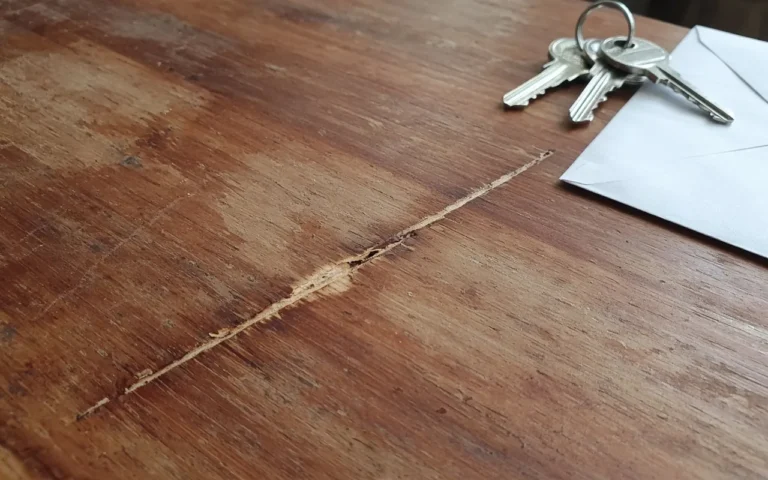
Restoring the shine to a wood table with scratches can be achieved using simple DIY methods. Techniques such as using natural oils, furniture polish, or homemade wax can effectively rejuvenate the surface and enhance its appearance.
Wood Table Scratch Identification Techniques
Identifying scratches on wood tables is essential for effective restoration. By understanding the different types of scratches and their characteristics, you can determine the best approach for repair. This section will guide you through various techniques to accurately assess the damage and prepare for the restoration process.
Understanding the type of scratch on your wood table is crucial for selecting the right restoration method. Scratches can vary in depth and severity, influencing the approach you take. Common types include:
-
Surface scratches: These are light marks that affect only the finish.
-
Deep scratches: These penetrate the wood and may require more intensive repair.
-
Gouges: These are larger and deeper, often needing filling and refinishing.
| Scratch Type | Description | Recommended Fix | Difficulty (1-5) |
|---|---|---|---|
| Surface | Light marks on finish | Furniture polish | 2 |
| Deep | Penetrates wood | Wood filler | 3 |
| Gouge | Large, deep damage | Epoxy filler | 4 |
Essential Tools for Wood Table Restoration
Restoring the shine of a wood table requires the right tools to effectively address scratches and blemishes. This section outlines the essential items you’ll need to ensure a successful DIY restoration project, enabling you to bring back the table’s original luster with ease. Equip yourself with these tools to tackle any imperfections and enhance your furniture’s appearance.
Before starting the restoration process, gather the necessary supplies. Having the right tools and materials will streamline your efforts and improve results. Essential items include:
-
Fine sandpaper: Use 220-grit for surface scratches.
-
Wood filler: Choose a color that matches your table.
-
Natural oils: Options like olive oil or linseed oil work well.
-
Furniture polish: Select a high-quality product suitable for wood.
Restoration Preparation and Safety Tips
Before diving into the restoration process of your wood table, it’s essential to prepare adequately and prioritize safety. Taking the right precautions not only ensures a smoother experience but also protects both you and your furniture. This section outlines key steps to get ready for your DIY project while maintaining a safe working environment.
Preparation is key to a successful restoration. Ensure you work in a well-ventilated area and wear protective gear if necessary. Follow these steps:
-
Clean the surface: Use a soft cloth to remove dust and debris.
-
Assess damage: Identify the severity of scratches to determine the best approach.
-
Test products: Always test oils or polishes on a hidden area first.
Execute Scratch Repair Techniques
When it comes to restoring the shine of a scratched wood table, several effective DIY techniques can help rejuvenate its appearance. These methods range from simple household solutions to more specialized approaches, ensuring that you can find a suitable option for your specific situation. Each technique aims to minimize the visibility of scratches and enhance the overall finish of your furniture.
Once you have prepared, proceed with the repair techniques. Each method has specific steps that yield the best results.
DIY Scratch Repair Techniques for Wood Tables
Wood tables can easily fall victim to scratches, diminishing their beauty and charm. Fortunately, there are several effective DIY methods to restore their shine and luster. This section explores practical techniques that anyone can use to repair scratches and rejuvenate their wooden surfaces.
For minor surface scratches, follow these steps:
-
Apply furniture polish: Use a soft cloth to apply the polish in a circular motion.
-
Buff the area: Gently buff the surface until it shines.
-
Repeat if necessary: Apply additional polish for deeper shine.
In-Depth Scratch Restoration Techniques
When dealing with scratches on wood tables, various restoration techniques can effectively bring back their original shine. This section explores in-depth methods that cater to different types of scratches, offering practical solutions for homeowners looking to rejuvenate their furniture without professional help. Each technique is designed to be straightforward and accessible, ensuring successful results.
For deeper scratches, a more involved approach is required:
-
Sand the area: Lightly sand the scratch with fine sandpaper.
-
Fill the scratch: Apply wood filler using a putty knife, ensuring it fills the scratch completely.
-
Smooth the surface: Once dry, sand the area again for a seamless finish.
-
Stain or finish: Match the color with a wood stain if needed.
Gouge Restoration Techniques for Wood Tables
Gouges in wood tables can detract from their beauty and functionality, but restoring their shine is often simpler than it seems. This section explores effective DIY techniques to repair gouges, helping you rejuvenate your furniture and maintain its appeal. With the right approach, you can bring back the luster of your wood table with minimal effort.
Repairing gouges requires more effort:
-
Clean the gouge: Remove any debris from the damaged area.
-
Apply epoxy filler: Use a suitable epoxy filler, following package instructions.
-
Shape and smooth: Once cured, sand the area to match the surrounding surface.
-
Refinish: Apply a finish or stain to blend with the table.
Maintain Wood Table After Repair
After restoring the shine to your wood table, maintaining its appearance is crucial for longevity. Regular care not only preserves the finish but also enhances the natural beauty of the wood. Implementing simple maintenance techniques can help prevent future scratches and keep your table looking its best for years to come.
Proper maintenance will prolong the life of your wood table and keep it looking its best. Regular care includes:
-
Dusting: Use a soft cloth to dust regularly.
-
Avoiding harsh chemicals: Stick to mild cleaners specifically designed for wood.
-
Using coasters: Protect the surface from water rings and heat damage.
Scratch Prevention Tips for Wood Tables
Maintaining the beauty of wood tables requires proactive measures to prevent scratches and damage. By implementing a few simple strategies, you can protect your furniture from everyday wear and tear, ensuring it retains its shine and elegance for years to come. These tips will help you safeguard your investment and keep your wood surfaces looking their best.
Taking preventive measures can help avoid scratches in the future. Consider these tips:
-
Use tablecloths: Protect the surface during meals or activities.
-
Avoid dragging objects: Lift items instead of sliding them across the table.
-
Regularly polish: Maintain the finish by polishing every few months.
Scratch Repair Techniques for Wood Tables
Wood tables can easily fall victim to scratches, which can detract from their beauty and functionality. Fortunately, there are several straightforward techniques to restore their shine and minimize damage. This section explores effective DIY methods that can help rejuvenate your wooden surfaces with minimal effort and cost.
Always assess the severity of the scratch before choosing a repair method. For minor scratches, furniture polish is usually sufficient.
For deeper damage, consider wood fillers or epoxy. Regular maintenance will help keep your wood table looking new.
