
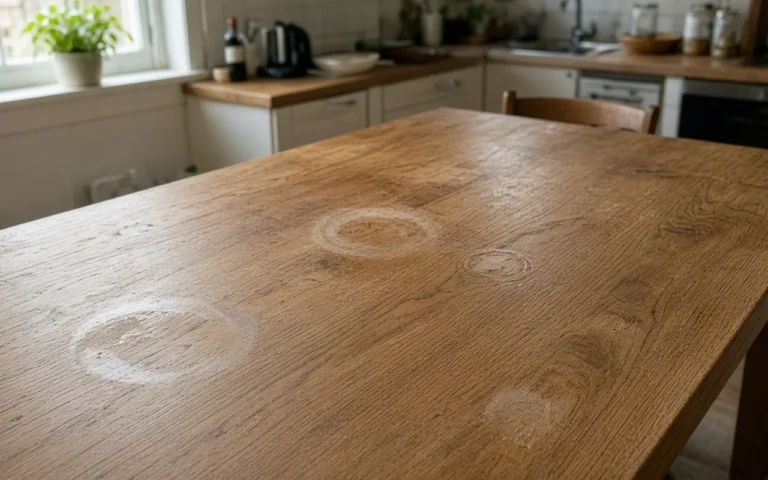
Water damaged wood tables often develop unsightly white marks due to moisture exposure. These marks can be removed effectively using simple methods and household items. Addressing this issue promptly can restore the table’s appearance without professional help.
Recognizing Water Damage Indicators
Water damage can leave unsightly marks on wooden furniture, often manifesting as white spots or rings. Identifying these indicators early is crucial for effective repair and restoration. Understanding the signs of water damage will help you take the necessary steps to revive your wood table and preserve its beauty.
Recognizing water damage on wood tables is essential for effective repair. Common symptoms include white marks, warping, and discoloration. These signs indicate that moisture has penetrated the wood finish, causing damage.
| Symptom | Primary Suspect | Difficulty |
|---|---|---|
| White marks | Moisture exposure | 2 |
| Warping | Excessive humidity | 3 |
| Discoloration | Stains or spills | 2 |
Identify Sources of Water Damage
Water damage can leave unsightly white marks on wood tables, often caused by moisture penetrating the finish. Identifying the sources of this damage is crucial for effective repair. Understanding how water interacts with wood surfaces will help you address the problem and restore your table to its original condition.
Water damage can stem from various sources, including spills, humidity, or direct contact with water. Identifying the root cause helps in selecting the right repair method.
-
Spills: Liquid left on the surface can seep into the finish.
-
Humidity: High moisture levels in the air can affect wood.
-
Direct contact: Water from cleaning or other sources can cause damage.
Step-by-Step Fix for White Marks
White marks on a wood table can be frustrating, often caused by moisture trapped beneath the finish. Fortunately, there are effective methods to restore your table’s appearance without extensive refinishing. This section outlines a straightforward, step-by-step process to eliminate those unsightly marks and revive your furniture.
Removing white marks from a wood table requires careful action to avoid further damage. Follow these steps to restore your table effectively.
-
Gather materials: Collect a soft cloth, olive oil, vinegar, and a hairdryer.
-
Apply heat: Use the hairdryer on a low setting to gently warm the white marks. Keep it at a distance to prevent overheating.
-
Mix solution: Combine equal parts of olive oil and vinegar in a bowl.
-
Rub the mixture: Dip a soft cloth into the solution and gently rub it over the affected area.
-
Wipe clean: Use a clean cloth to remove excess oil and vinegar.
-
Buff the surface: Buff the area with a dry cloth to restore shine.
Additional Repair Techniques for Wood Tables
When dealing with water-damaged wood tables, it’s essential to explore various repair techniques beyond the initial remedies. These additional methods can effectively address stubborn white marks and restore the table’s original beauty. Understanding these techniques will empower you to tackle different levels of damage and achieve a more polished finish.
If white marks persist, consider these alternative methods for deeper repairs. Each technique targets specific types of damage.
Use Baking Soda for Stubborn Marks
Baking soda is a mild abrasive that can help remove tough stains.
-
Make a paste: Mix baking soda with water to form a paste.
-
Apply gently: Use a soft cloth to apply the paste to the marks.
-
Wipe clean: After a few minutes, wipe off the paste with a damp cloth.
Try Toothpaste for Minor Scratches
Toothpaste can effectively minimize the appearance of minor scratches on wood surfaces.
-
Select non-gel toothpaste: Choose a white, non-gel variety.
-
Apply a small amount: Use a soft cloth to rub the toothpaste into the scratch.
-
Buff the area: Wipe off the excess with a damp cloth.
Preventive Care for Wood Table Longevity
Taking proactive steps to maintain your wood table can significantly extend its lifespan and preserve its beauty. Understanding the factors that contribute to wear and damage will help you implement effective preventive measures. This section will explore practical strategies to protect your table from potential issues, ensuring it remains a cherished piece for years to come.
Taking preventive measures can help maintain the integrity of your wood table.
-
Use coasters: Always place drinks on coasters to avoid spills.
-
Control humidity: Use a dehumidifier in high-moisture areas.
-
Regular maintenance: Apply wood polish periodically to protect the finish.
Final Warning on Water Damage Repair
Water damage can leave unsightly white marks on wood tables, signaling the need for immediate attention. Understanding the final steps in the repair process is crucial to restoring your furniture’s appearance and preventing further deterioration. This section outlines essential precautions and techniques to ensure a successful repair and protect your investment.
Avoid using excessive water or harsh chemicals, as these can worsen the damage. Always test any solution on a small, inconspicuous area before applying it to the entire surface.
Water Damage Repair Techniques for Wood Tables
Act quickly to address water damage on your wood table. By following these steps and using the right materials, you can effectively remove white marks and restore your table’s beauty. Regular maintenance will ensure your wood table remains in excellent condition for years to come.
