
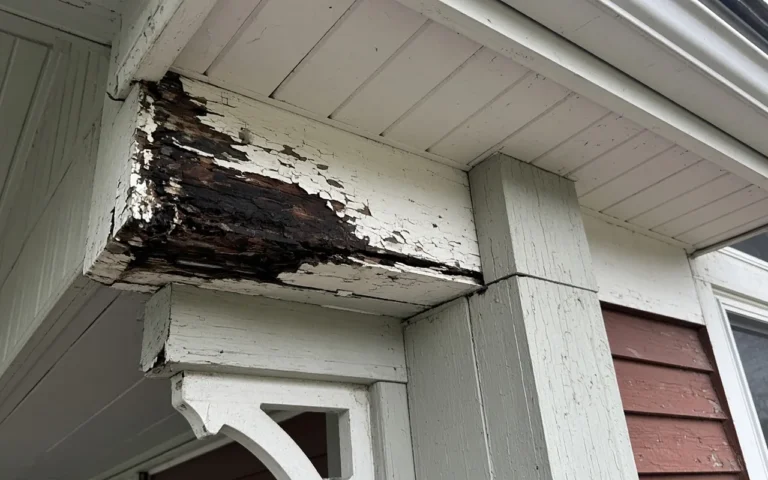
Exterior wood beam rot repair involves assessing the damage and implementing effective structural solutions. Addressing rot early can prevent further deterioration and costly repairs.
Wood Beam Rot Symptoms and Diagnosis
Identifying wood beam rot early is crucial for maintaining the structural integrity of your property. This section outlines the common symptoms of rot and offers guidance on how to accurately diagnose the issue. Understanding these signs will help you take timely action to prevent further damage and ensure the longevity of your wooden structures.
| Symptom | Primary Suspect | Difficulty |
|---|---|---|
| Soft or spongy wood | Moisture exposure | 3 |
| Cracked or split beam | Inadequate sealing | 4 |
| Discoloration | Fungal growth | 2 |
| Structural sagging | Rotting wood | 5 |
Identifying Moisture Sources for Beam Rot
Identifying the sources of moisture is crucial in addressing exterior wood beam rot effectively. By understanding where water intrusion occurs, whether from poor drainage, roof leaks, or high humidity, homeowners can take targeted steps to prevent further damage. This section will delve into common moisture sources that contribute to rot and how to recognize them.
Wood beam rot typically results from prolonged exposure to moisture without adequate protection. Common sources of moisture include:
-
Rainwater pooling around the foundation
-
Poor drainage systems
-
High humidity levels
Fungal growth thrives in damp conditions, leading to structural weaknesses. Understanding the root cause is essential for effective repair.
Step-by-Step Fix for Rotting Beams
When dealing with rotting exterior wood beams, timely intervention is crucial to maintain structural integrity. This section outlines a detailed, step-by-step process for diagnosing and repairing damaged beams, ensuring that your home remains safe and aesthetically pleasing. Follow these guidelines to effectively address rot and restore the strength of your wooden structures.
Repairing rotting wood beams requires a systematic approach. Follow these steps to ensure a solid repair.
-
Assess the Damage: Inspect the entire beam for soft spots and signs of rot. Use a screwdriver to probe the wood.
-
Remove Damaged Sections: Cut away the rotted areas using a reciprocating saw. Ensure you reach solid wood.
-
Treat the Remaining Wood: Apply a wood preservative to prevent future rot. Ensure it penetrates deeply into the wood.
-
Replace with New Wood: Use pressure-treated lumber to replace the removed sections. Secure it with construction adhesive and screws.
-
Seal the Beam: Apply a waterproof sealant to the entire beam to protect against moisture.
Essential Tools for Beam Rot Repair
When tackling exterior wood beam rot repair, having the right tools is crucial for a successful outcome. This section outlines the essential equipment needed to diagnose and address structural issues effectively, ensuring that repairs are both efficient and durable. Understanding these tools will empower you to restore the integrity of your wooden beams.
Having the right tools and materials is crucial for effective repairs. Gather the following items:
-
Reciprocating saw
-
Wood preservative
-
Pressure-treated lumber
-
Construction adhesive
-
Waterproof sealant
Future Rot Prevention Strategies for Wood Beams
Preventing future rot in wood beams requires a proactive approach that combines proper maintenance and protective measures. By understanding the environmental factors that contribute to decay and implementing effective strategies, homeowners can significantly extend the lifespan of their wood structures. This section explores practical solutions to safeguard beams against moisture and pests, ensuring long-term durability.
Preventing future rot is essential for maintaining the integrity of wood beams. Consider these strategies:
-
Improve drainage around the structure to divert water away from beams.
-
Install gutters to channel rainwater effectively.
-
Maintain proper ventilation in crawl spaces and attics to reduce humidity.
Identifying When to Hire a Contractor
When dealing with exterior wood beam rot, recognizing the right moment to enlist professional help can be crucial for maintaining structural integrity. Homeowners should be aware of specific signs that indicate the damage may be beyond DIY repair. Understanding these indicators can save time and prevent further deterioration of the property.
Some situations may require professional intervention. Consider contacting a contractor if:
-
The rot is extensive and compromises structural integrity.
-
You lack the necessary tools or skills for repair.
-
You suspect underlying issues such as poor drainage or ventilation.
Cost Considerations for Wood Beam Repair
When addressing exterior wood beam rot, understanding the financial implications is crucial. Repair costs can vary significantly based on the extent of damage, materials used, and labor requirements. This section explores the key cost factors involved in wood beam repair, helping homeowners make informed decisions about their structural solutions.
Repair costs can vary significantly based on the extent of damage and materials used. Here’s a general breakdown:
| Item | Estimated Cost |
|---|---|
| Wood preservative | $20 – $50 |
| Pressure-treated lumber | $3 – $8 per foot |
| Waterproof sealant | $15 – $40 |
| Labor (if hiring) | $50 – $100 per hour |
Assessing the costs upfront can help in budgeting for repairs.
Wood Beam Rot Warning Signs
Identifying the early warning signs of wood beam rot is crucial for maintaining the structural integrity of your home. These indicators can help homeowners detect potential issues before they escalate into costly repairs. Understanding these signs will empower you to take timely action and preserve the longevity of your wooden structures.
Ignoring wood beam rot can lead to severe structural issues and increased repair costs. Address any signs of rot immediately to maintain safety and integrity.
Take Action on Beam Repair
When dealing with exterior wood beam rot, timely intervention is crucial to prevent further structural damage. Identifying the extent of the rot and understanding the necessary repair techniques can significantly extend the lifespan of your beams. Taking action now not only safeguards your property but also ensures its aesthetic appeal remains intact.
Implement these steps to repair and protect your exterior wood beams. Regular maintenance and prompt action can save you from larger issues down the line.
