
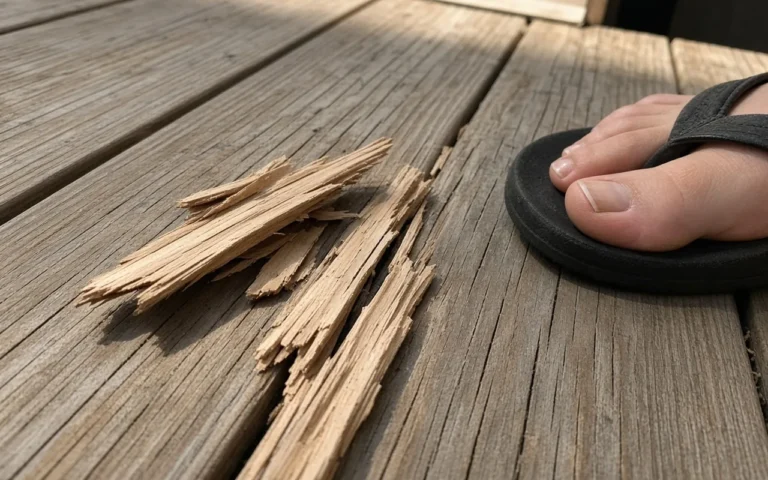
To fix splintered deck wood, start by sanding the affected areas to smooth the surface and remove loose fibers. Next, apply a protective sealant to prevent future damage and extend the life of your deck.
Gear and Supply Checklist for Deck Repair
Before embarking on your deck repair project, it’s essential to gather the right tools and materials. Having a well-prepared gear and supply checklist will streamline the process, ensuring you have everything needed to effectively sand and protect splintered wood. This preparation will help you achieve a smooth, durable finish for your deck.
Before starting the repair process, gather all necessary tools and materials. Having everything on hand will streamline your work and ensure you don’t need to pause for supplies.
| Tool/Supply | Purpose |
|---|---|
| Orbital sander | Smooths splintered areas |
| Sandpaper (80-120 grit) | Removes splinters and rough spots |
| Wood filler | Fills deep cracks and holes |
| Protective sealant | Shields wood from moisture and UV rays |
| Paintbrush or roller | Applies sealant evenly |
| Safety goggles | Protects eyes from dust and debris |
| Dust mask | Prevents inhalation of fine particles |
Deck Preparation and Safety Steps
Before tackling the repair of splintered deck wood, it’s crucial to prepare both the deck and yourself for the task ahead. Proper preparation ensures a smoother sanding process and enhances safety, allowing you to effectively restore your deck while minimizing the risk of injury. Follow these essential steps to create a safe and efficient work environment.
Proper preparation is essential for effective repair and safety. Clear the deck of furniture and debris.
Ensure you wear safety goggles and a dust mask to protect yourself from dust and splinters. Check the weather forecast to avoid working in damp conditions, which can affect the application of sealant.
Deck Wood Damage Inspection Techniques
Inspecting deck wood for damage is crucial before undertaking any repair work. By identifying splintered areas and other signs of wear, you can determine the best approach for restoration. This section outlines effective techniques to assess your deck’s condition, ensuring you address all issues before applying sanding and protective treatments.
Before starting the sanding process, inspect the deck thoroughly. Identify all splintered areas and any additional damage.
-
Look for deep cracks or holes.
-
Check for signs of rot or mold.
-
Determine if any boards need replacement.
Sanding Techniques for Smooth Deck Repair
Sanding is a crucial step in repairing splintered deck wood, as it helps restore a smooth surface and prepares the wood for protective treatments. Understanding the right techniques and tools can make a significant difference in the outcome of your repair efforts. This section will guide you through effective sanding methods to achieve a polished finish.
Sanding is a critical step in repairing splintered wood. Follow these steps to ensure a smooth finish.
-
Select sandpaper with an 80 to 120 grit for initial sanding.
-
Use an orbital sander to cover larger areas efficiently.
-
Sand along the wood grain to avoid further damage.
-
Inspect the surface frequently to ensure all splinters are removed.
-
Switch to finer sandpaper (up to 220 grit) for a smooth finish.
After sanding, clean the surface with a damp cloth to remove dust.
Wood Filler Application Techniques
Applying wood filler effectively is crucial for restoring splintered deck wood. This section will explore various techniques to ensure a smooth and durable finish, helping to seamlessly blend repairs with the surrounding wood. Mastering these methods will enhance the longevity and appearance of your deck, providing a solid foundation for further sanding and protection.
For deeper splinters or holes, wood filler is necessary. This step ensures a uniform surface before sealing.
-
Choose a high-quality wood filler that matches your deck color.
-
Apply filler using a putty knife, pressing it into cracks.
-
Smooth the surface with the knife and allow it to dry according to the manufacturer’s instructions.
-
Sand the filled areas lightly to blend with the surrounding wood.
Deck Sealing Techniques for Moisture Resistance
Proper deck sealing is essential for protecting splintered wood from moisture damage. By employing effective sealing techniques, you can enhance the longevity of your deck and maintain its appearance. This section will explore various methods to ensure your deck remains resilient against the elements.
Sealing your deck is essential to protect it from moisture and UV damage.
-
Select a protective sealant suitable for outdoor wood.
-
Use a paintbrush or roller to apply the sealant evenly.
-
Follow the manufacturer’s instructions for drying times and number of coats.
-
Reapply sealant annually to maintain protection.
Deck Wood Maintenance for Extended Life
Maintaining deck wood is essential for ensuring its longevity and appearance. Regular care, including proper sanding techniques and protective measures, can significantly extend the life of your deck. This section provides practical tips for maintaining splintered wood, helping you preserve your outdoor space for years to come.
Regular maintenance will extend the life of your deck.
-
Inspect the deck every season for signs of wear.
-
Clean the surface regularly to prevent mold and mildew.
-
Re-sand and re-seal as needed, especially in high-traffic areas.
Neglecting regular maintenance can lead to costly repairs or replacement.
Post-Repair Deck Wood Issues
After addressing splintered deck wood through sanding and repairs, it’s essential to consider potential post-repair issues that may arise. Proper maintenance and protective measures can help ensure the longevity of your deck and prevent further damage. This section outlines common problems you might encounter and offers practical solutions to keep your deck in excellent condition.
Sometimes, issues may arise even after repairs.
-
If splinters return, check for moisture retention.
-
If sealant peels, ensure proper surface preparation next time.
-
If wood warps, consider adjusting drainage around the deck.
Addressing these issues promptly will help maintain the integrity of your deck.
Deck Wood Maintenance and Inspection Strategies
Maintaining and inspecting your deck wood is essential for ensuring its longevity and safety. Regular checks can help identify splintering or damage early, allowing for timely repairs. This section outlines effective strategies for maintaining your deck, focusing on inspection techniques and maintenance practices that will keep your outdoor space looking great and safe for years to come.
Taking the time to fix splintered deck wood correctly will enhance the appearance and longevity of your outdoor space. Regular inspections and maintenance are key to preventing future damage.
