
Close Menu
Woodwork InsightsWoodwork Insights
    Facebook X (Twitter) Instagram
    Woodwork InsightsWoodwork Insights
    • Home
    • Repairing Wood
    • About
    • Contact
    • Privacy Policy
    Woodwork InsightsWoodwork Insights
    Home»Repairing Wood»Wood Rot Around Doors: Professional Sealing and Patching Strategies
    Repairing Wood

    Wood Rot Around Doors: Professional Sealing and Patching Strategies

    Evan MarkhamBy Evan MarkhamJune 29, 2026No Comments6 Mins Read
    Facebook Twitter Pinterest LinkedIn Tumblr WhatsApp Email
    Share
    Facebook Twitter LinkedIn WhatsApp Pinterest Email

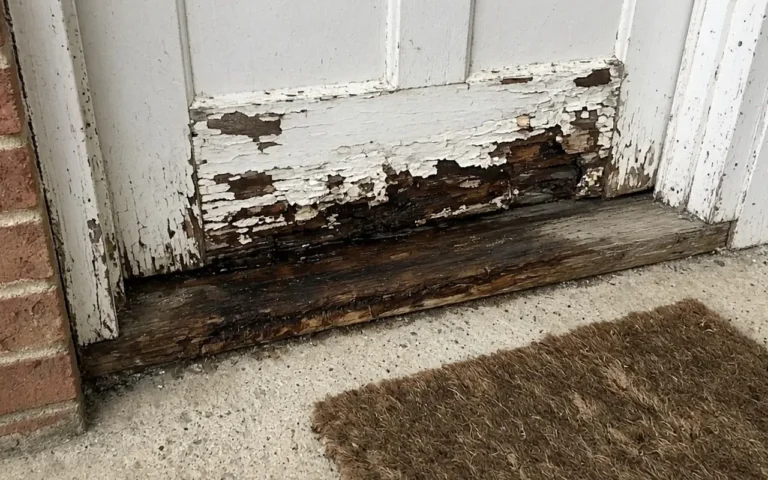
    Wood rot around doors often indicates prolonged exposure to moisture, leading to structural damage. The best approach involves professional sealing and patching to restore integrity and prevent further deterioration. This guide outlines effective strategies to address wood rot and maintain your doors.

    Signs of Wood Rot in Door Frames

    Identifying wood rot in door frames is crucial for maintaining the integrity of your home. Early detection can prevent further damage and costly repairs. This section highlights the key signs to look for, ensuring you can address any issues before they escalate.

    Recognizing the signs of wood rot is crucial for timely intervention. Common symptoms include discoloration, a spongy texture, and visible fungal growth. Homeowners should inspect door frames and surrounding areas regularly to catch issues early.

    Symptom Primary Suspect Difficulty (1-5)
    Discoloration Moisture exposure 2
    Spongy texture Fungal growth 3
    Crumbling wood Advanced rot 4
    Foul odor Decaying material 5

    Identifying Sources of Wood Rot

    Understanding the sources of wood rot is crucial for effective prevention and repair, especially around doors where moisture often accumulates. By identifying the underlying causes, homeowners can take targeted action to protect their property. This section delves into common contributors to wood rot, helping you recognize the signs and address them promptly.

    Wood rot typically stems from excessive moisture, poor ventilation, or inadequate sealing. Identifying these root causes is essential for effective remediation. Common sources include:

    • Leaky gutters that direct water toward door frames

    • Poor drainage around the foundation

    • Inadequate sealing of door frames and thresholds

    Addressing these issues can prevent future occurrences of wood rot.

    See Also  How to Fix Fake Wood Surface (The Beginner’s Repair Guide)

    Essential Tools for Door Rot Repair

    When addressing wood rot around doors, having the right tools is crucial for effective repair. This section outlines the essential equipment needed for sealing and patching, ensuring that you can tackle the damage efficiently and restore the integrity of your doors. Proper tools not only streamline the process but also enhance the longevity of your repairs.

    Before starting the repair process, gather the necessary tools and materials. This ensures a smooth workflow and minimizes interruptions. Essential items include:

    • Rot-resistant wood for replacement

    • Epoxy wood filler for patching small areas

    • Sealant to protect against moisture

    • Paint or stain for finishing touches

    Having these items ready will facilitate an efficient repair process.

    Execute Step-by-Step Repair Process

    Addressing wood rot around doors requires a systematic approach to ensure long-lasting repairs. This section outlines a detailed step-by-step repair process, guiding you through the necessary techniques for effective sealing and patching. By following these strategies, you can restore the integrity of your doors and prevent further damage.

    Repairing wood rot requires a methodical approach to ensure long-lasting results. Follow these steps for effective sealing and patching:

    1. Assess the Damage
      Inspect the extent of the rot and determine if full replacement or patching is necessary.

    2. Remove Rotting Wood
      Use a chisel or saw to carefully remove all affected areas, ensuring you reach solid wood.

    3. Apply Epoxy Filler
      For minor damage, mix and apply epoxy wood filler according to the manufacturer’s instructions.

    4. Replace Damaged Sections
      Cut and fit new rot-resistant wood into the removed areas. Secure with screws or nails.

    5. Seal the Repair
      Apply a high-quality sealant around the edges to prevent moisture infiltration.

    6. Finish with Paint or Stain
      Once the repair is dry, apply paint or stain to match the surrounding area.

    See Also  Stain on Wood Table: How to Remove Spots and Fix the Finish

    Explore Professional Repair Services

    When dealing with wood rot around doors, enlisting professional repair services can ensure a thorough and effective solution. These experts utilize specialized techniques and materials to address the underlying issues, preventing further damage and enhancing the longevity of your doors. Understanding the available options for professional help can make a significant difference in the outcome of your repair efforts.

    If the damage is extensive, consider hiring a professional. Experts can provide a comprehensive assessment and execute repairs efficiently. Benefits of professional services include:

    • Expertise in identifying hidden rot

    • Quality materials that ensure durability

    • Warranty on workmanship and materials

    Investing in professional help can save time and prevent future issues.

    Maintain Doors to Prevent Future Rot

    Maintaining doors is essential to prevent wood rot, which can compromise both the structure and aesthetics of your home. Regular inspections and timely repairs can significantly extend the lifespan of your doors. Implementing effective sealing and patching strategies will help safeguard against moisture intrusion and ensure your doors remain in optimal condition.

    Regular maintenance is essential for preventing wood rot around doors. Implement the following strategies:

    • Inspect regularly for signs of moisture or damage.

    • Clean gutters to ensure proper water drainage.

    • Reapply sealant annually to maintain a protective barrier.

    • Ensure proper ventilation in areas prone to humidity.

    By staying proactive, homeowners can extend the lifespan of their doors and avoid costly repairs.

    Identifying Critical Wood Rot Symptoms

    Recognizing the early signs of wood rot around doors is essential for effective maintenance and repair. This section will outline the critical symptoms to look for, enabling homeowners to take timely action before the damage worsens. By understanding these indicators, you can protect your property and ensure the longevity of your doors.

    See Also  Wood Scratches on Table: Restore Your Dining Surface Fast

    Severe wood rot can compromise the structural integrity of your home. Look out for these critical warning signs:

    • Sagging doors that do not close properly

    • Visible holes or crumbling wood

    • Mold growth around door frames

    If you notice these signs, take immediate action to assess and repair the damage.

    Evaluate Repair Costs and Options

    Assessing the costs and options for repairing wood rot around doors is essential for homeowners facing this common issue. Understanding the financial implications and available strategies can help in making informed decisions about whether to tackle the repairs independently or seek professional assistance. This section will break down the factors influencing repair costs and explore various approaches to effectively address wood rot.

    Understanding the costs associated with wood rot repair can help you budget effectively. Costs may vary based on the extent of the damage and materials used. Typical expenses include:

    Repair Type Estimated Cost
    Minor patching $50 – $150
    Major replacement $200 – $800
    Professional services $500 – $1,500

    Consider obtaining multiple quotes to ensure you receive a fair price.

    Share. Facebook Twitter Pinterest LinkedIn Tumblr WhatsApp Email
    Evan Markham
    Evan Markham
    • Website

    I grew up in a small Midwestern town where weekends meant sawdust on my jeans and the sound of my dad’s old table saw running in the garage. Woodworking became my favorite way to unwind long before I ever thought about turning it into a career. Over the years I’ve built everything from simple shelves to full backyard pergolas, and I’ve picked up plenty of mistakes and lessons along the way. I started Woodwork Insights because I wanted a place to share those lessons in a way that feels honest and useful. My projects aren’t perfect and I don’t pretend they are. They’re real builds done with real tools in an everyday workshop. If you’re into practical tips, straightforward guides, and down-to-earth woodworking advice, then you’ll feel right at home with me here. I’m always working on something new, usually with a half-finished cup of coffee somewhere on the workbench.

    Related Posts

    How to Fix Stripped Screw Wood: Stronger Thread Solutions

    June 29, 2026

    How to Fix Faux Wood on Desk: Restoring the Decorative Layer

    June 29, 2026

    Wood Fence Top Rail Repair: Quick Restoration for Stability

    June 29, 2026

    How to Fix Heat Damaged Stains on Wood Table: White Mark Fix

    June 29, 2026

    Fix Laminate Wood Scratches Without Replacing the Planks Fast

    June 29, 2026

    How to Fix Wood Rotting on Shed: Restore Your Outdoor Storage

    June 29, 2026
    Add A Comment
    Leave A Reply Cancel Reply

    Welcome to Woodwork Insights
    Welcome to Woodwork Insights

    I’m Evan Markham, the woodworker behind Woodwork Insights. I’ve spent more than twenty years building furniture, testing tools, and working in everyday garage workshops. I created this site to share real, practical woodworking tips that come from hands-on experience, not theory.

    If you enjoy honest advice and straightforward project guides, you’re in the right place.

    About

    Woodwork Insights is a practical woodworking resource created by long-time woodworker Evan Markham. Every guide, tool review, and project tutorial is based on real experience in a working garage shop. Our goal is to give you honest, reliable, and easy-to-follow woodworking advice you can trust.

    • Home
    • About
    • Contact
    • Editorial Guidelines
    • Privacy Policy
    • Disclaimer
    • Terms and Conditions
    • Affiliate Disclosure
    • Cookie Policy
    • Copyright Notice
    • DMCA Notice
    • Accessibility Statement
    © 2026 ThemeSphere. Designed by ThemeSphere.

    Type above and press Enter to search. Press Esc to cancel.