
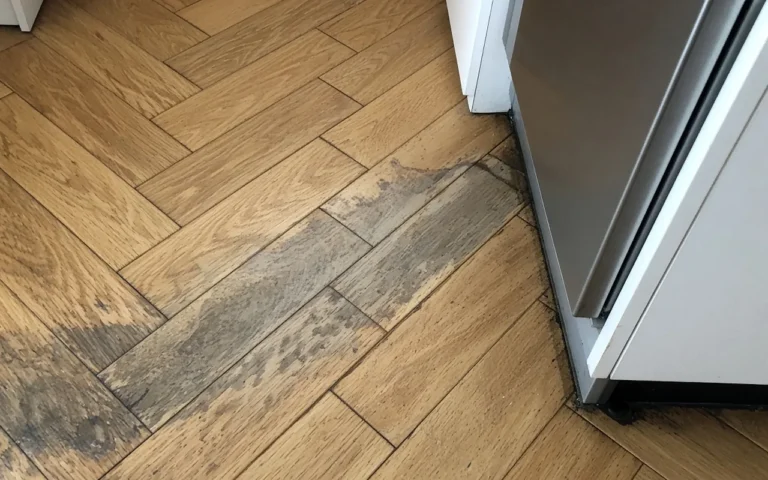
Water damaged wood floors can often be restored with the right approach. Quick action can prevent further deterioration and save you the cost of replacement.
Recognizing Water Damage Indicators
Identifying the signs of water damage is crucial for effective restoration of wood floors. Early detection can prevent further deterioration and costly repairs. This section will guide you through the key indicators to look for, ensuring you address issues promptly and maintain the integrity of your flooring.
Recognizing the signs of water damage is crucial for effective repair. Common symptoms include warped boards, discoloration, and a musty odor.
Early detection can significantly reduce repair costs and time. Here are some key indicators to look for:
| Symptom | Primary Suspect | Difficulty (1-5) |
|---|---|---|
| Warped boards | Excess moisture | 3 |
| Discoloration | Stains from water | 2 |
| Musty odor | Mold growth | 4 |
| Cupping edges | Humidity imbalance | 3 |
Identify Water Damage Sources
Before embarking on the repair of water-damaged wood floors, it’s crucial to identify the sources of moisture that caused the damage. Understanding these sources will not only guide your restoration efforts but also help prevent future issues. By pinpointing the origin of the water intrusion, you can take the necessary steps to protect your flooring and ensure a successful repair.
Understanding the root cause of water damage helps in preventing future occurrences. Sources may include leaks, humidity, or flooding.
Identifying the source allows for targeted repairs and restoration efforts. Common causes include:
-
Leaking pipes from plumbing fixtures
-
Flooding from heavy rains or natural disasters
-
High humidity levels in the home
-
Poor ventilation leading to condensation
Water Damage Floor Repair Steps
Water damage can wreak havoc on wood floors, leading to unsightly stains and structural issues. Understanding the repair process is essential for restoring your flooring to its former glory. The following steps outline a straightforward approach to effectively address and repair water-damaged wood floors, making it easier for homeowners to tackle this common problem.
Repairing water damaged wood floors involves several steps. Each step requires specific tools and materials to ensure a successful restoration. Follow these steps for effective repair:
-
Assess the damage by checking all affected areas.
-
Remove damaged boards using a pry bar and hammer.
-
Dry the subfloor with fans or dehumidifiers.
-
Replace boards with new or salvaged wood.
-
Sand and finish the new boards to match existing flooring.
Essential Tools for Wood Floor Repair
Before embarking on the restoration of water-damaged wood floors, it’s crucial to gather the right tools. Having the essential equipment on hand will streamline the repair process and ensure a more effective outcome. This section outlines the key tools you’ll need to tackle the job efficiently.
Gathering the right tools and materials is essential for a smooth repair process. Here’s a list of what you will need:
-
Pry bar for removing damaged boards
-
Hammer for installation
-
Fans or dehumidifiers for drying
-
Replacement boards matching your flooring
-
Sandpaper for finishing touches
Water Damage Prevention Strategies
Preventing water damage to wood floors is essential for maintaining their beauty and integrity. By implementing effective strategies, homeowners can protect their flooring from moisture-related issues. This section outlines practical measures to safeguard wood floors and ensure they remain in optimal condition for years to come.
Preventing water damage is as important as repairing it. Implementing proactive measures can save time and money in the long run. Key prevention strategies include:
-
Regular inspections of plumbing and appliances
-
Installing a dehumidifier in high-humidity areas
-
Maintaining proper ventilation throughout the home
-
Using water-resistant coatings on wood floors
Professional Restoration for Extensive Damage
When water damage to wood floors is severe, professional restoration may be necessary to ensure a thorough and lasting repair. This section delves into the signs that indicate extensive damage and outlines the benefits of seeking expert help. Understanding when to call in professionals can save time and prevent further complications in your restoration efforts.
In some cases, the damage may be too extensive for a DIY approach. Hiring professionals can ensure a thorough and effective restoration.
Look for certified contractors with experience in wood floor repairs. They can provide:
-
Expert assessments of damage
-
Advanced repair techniques
-
Warranty on work performed
Water Damage Warning Signs
Identifying water damage in wood floors early can save time and money in repairs. Homeowners should be aware of specific warning signs that indicate moisture issues, such as discoloration, warping, or a musty odor. Recognizing these signs promptly allows for effective intervention and helps maintain the integrity of your flooring.
Ignoring water damage can lead to mold growth and structural issues. Address problems immediately to avoid costly repairs.
Immediate Restoration Steps for Water-Damaged Floors
Repairing water damaged wood floors is achievable with the right knowledge and tools. Follow the outlined steps and take preventive measures to maintain your flooring. Your floors can be restored to their original beauty with prompt action and careful attention.
