
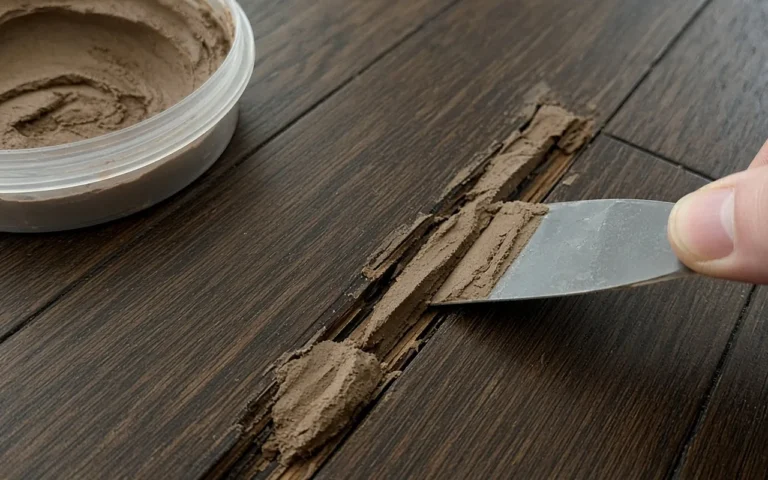
Filling and coloring a gash in a wood floor can restore its appearance without the need for full replacement. This process involves selecting the right filler, preparing the surface, and applying a suitable stain to match the surrounding wood.
Assessing Gash Severity and Repair Options
When dealing with a gash in your wood floor, accurately assessing its severity is crucial for effective repair. Understanding the depth and width of the damage will guide you in choosing the right filling and coloring methods. This section explores how to evaluate the gash and the various repair options available to restore your floor’s appearance.
Understanding the severity and type of the gash is crucial for choosing the right repair method. A shallow scratch may require minimal intervention, while a deep gouge needs more extensive filling. Assess the following:
-
Depth: Is it a surface scratch or a deep gash?
-
Width: How wide is the damage?
-
Location: Is it in a high-traffic area or less visible?
| Severity Level | Description | Recommended Action |
|---|---|---|
| Minor | Surface scratches | Use wood polish |
| Moderate | Shallow gashes | Apply wood filler |
| Severe | Deep gouges | Fill and stain |
Essential Tools and Supplies for Floor Repair
To effectively address a gash in your wood floor, having the right tools and supplies is crucial. This section outlines the essential items you’ll need for both filling and coloring the damaged area, ensuring a professional finish that blends seamlessly with your existing flooring. Equip yourself with these essentials to achieve optimal results in your repair project.
Before starting the repair, gather the necessary tools and supplies. Having everything at hand will streamline the process and ensure a professional finish. Here’s a checklist:
-
Wood filler: Choose a color that matches your floor
-
Putty knife: For applying the filler
-
Sandpaper: Use fine grit for smoothing
-
Stain: Select a wood stain that matches the floor
-
Clear coat: For sealing the repair
Prepare the Surface for Repair
Before tackling a gash in your wood floor, proper surface preparation is crucial for achieving a seamless repair. This involves cleaning the area thoroughly, assessing the damage, and ensuring the surrounding wood is ready to accept filler and color. Taking these steps will lay the foundation for a successful and professional-looking restoration.
Proper surface preparation is vital for a successful repair. Start by cleaning the area around the gash to remove dirt and debris. Follow these steps:
-
Clean the area: Use a damp cloth to wipe the gash.
-
Sand the edges: Lightly sand around the gash to create a smooth surface.
-
Dry the area: Ensure the wood is completely dry before applying filler.
Applying Wood Filler for Gash Repair
Repairing a gash in a wood floor requires careful application of wood filler to ensure a seamless finish. This process involves selecting the right filler, preparing the area, and applying the product with precision to blend it with the surrounding wood. Understanding these steps is essential for achieving a professional-level repair that enhances the floor’s appearance.
Filling the gash correctly will help restore the floor’s integrity. Follow these steps to apply the wood filler:
-
Scoop filler: Use a putty knife to take a small amount of wood filler.
-
Apply filler: Press the filler into the gash, ensuring it fills the entire space.
-
Smooth the surface: Use the putty knife to level the filler with the surrounding wood.
Filler Drying and Sanding Techniques
Proper drying and sanding techniques are essential for achieving a seamless finish when filling a gash in a wood floor. Understanding the right methods ensures that the filler adheres effectively and blends well with the surrounding wood. This section will explore key practices to enhance the durability and appearance of your repair work.
Once the filler is applied, it needs time to dry. Follow these guidelines:
-
Drying time: Allow the filler to dry according to the manufacturer’s instructions.
-
Sand the area: Once dry, sand the filled gash until smooth and flush with the floor.
Color Matching for Seamless Repairs
Achieving a seamless repair in a wood floor requires precise color matching to ensure the filled area blends perfectly with the surrounding wood. This section explores effective techniques and tools for selecting the right color, helping you restore your floor’s natural beauty while maintaining its integrity. Understanding these methods is crucial for a professional-looking finish.
Color matching is essential for a seamless repair. After sanding, apply the stain to blend the repair with the existing floor. Here’s how to proceed:
-
Choose stain: Select a wood stain that matches the floor color.
-
Apply stain: Use a clean cloth or brush to apply the stain evenly.
-
Wipe excess: Remove any excess stain to avoid blotches.
Seal the Repair with Clear Coat
After successfully filling and coloring the gash in your wood floor, the next crucial step is sealing the repair with a clear coat. This protective layer not only enhances the appearance of the repair but also ensures durability against wear and tear. Applying the right clear coat will help blend the repair seamlessly with the surrounding wood, maintaining the floor’s overall aesthetic.
To protect the repair and enhance durability, apply a clear coat over the stained area. Follow these steps:
-
Select clear coat: Choose a polyurethane or similar finish.
-
Apply clear coat: Use a brush to apply a thin layer over the stained area.
-
Allow to dry: Follow the manufacturer’s drying instructions for best results.
Maintain Your Wood Floor After Repair
After repairing a gash in your wood floor, proper maintenance is essential to ensure the longevity and appearance of the repair. Regular care not only preserves the integrity of the filled area but also enhances the overall beauty of your flooring. Understanding the best practices for maintenance will help you keep your wood floors looking their best for years to come.
Proper maintenance will prolong the life of your wood floor and keep it looking new. Consider these tips for ongoing care:
-
Regular cleaning: Use a soft broom or vacuum to remove dirt.
-
Avoid moisture: Wipe spills immediately to prevent damage.
-
Use area rugs: Place rugs in high-traffic areas to minimize wear.
Stain Testing for Wood Floor Repairs
When repairing a gash in a wood floor, selecting the right stain is crucial for achieving a seamless finish. This section explores effective methods for testing different stains, ensuring that the color matches the surrounding wood and enhances the overall appearance of your floor. Understanding these techniques will help you achieve professional-level results in your repair project.
Always test stains and finishes on a small, inconspicuous area before applying them to the repair.
Professional Techniques for Wood Floor Repair
When dealing with a gash in your wood floor, employing professional techniques can ensure a seamless repair. This section outlines expert methods for filling and coloring wood floor damage, providing insights into the tools and materials needed for a flawless finish. Understanding these techniques can help restore the beauty of your flooring effectively.
Repairing a gash in a wood floor requires attention to detail and the right materials. By following these steps, you can achieve a professional-level finish that enhances the beauty of your flooring.
