
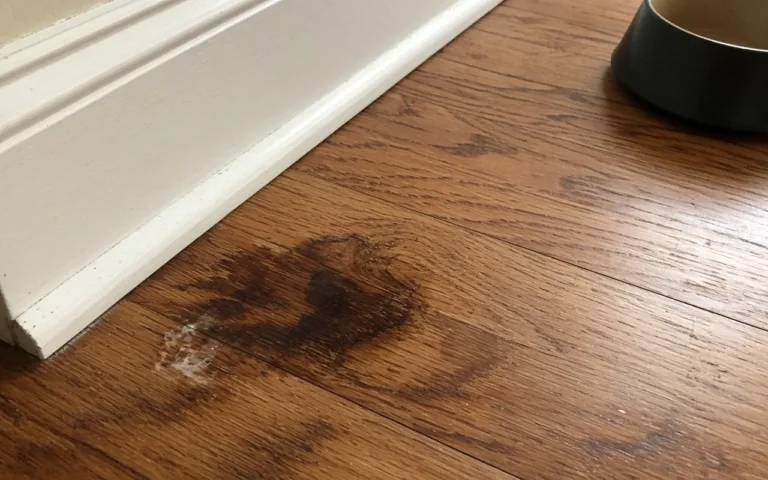
Dog urine can severely damage wood floors if not addressed promptly. Deep cleaning and restoration are essential to remove stains and odors while preserving the integrity of the flooring. This guide outlines effective methods for tackling this issue.
Essential Supplies for Deep Cleaning Wood Floors
To effectively tackle the challenge of deep cleaning wood floors affected by dog urine, it’s crucial to gather the right supplies. This section outlines the essential tools and cleaning agents that will help restore your floors to their original beauty while effectively neutralizing odors and stains. Having the proper materials on hand can make all the difference in achieving a successful clean.
Before starting the cleaning process, gather the necessary supplies. Having the right tools will make the job more efficient and effective. Here is a checklist of essential items:
| Item | Purpose |
|---|---|
| Enzymatic cleaner | Breaks down urine stains and odors |
| Soft cloths | Absorb moisture and prevent scratches |
| Bucket | Holds cleaning solutions |
| Mop | For larger areas |
| Floor sealer | Protects wood after cleaning |
Cleaning Preparation and Safety Steps
Before tackling the challenge of cleaning wood floors affected by dog urine, it’s essential to prepare your space and ensure safety. This section outlines the necessary steps to protect yourself and your environment while effectively addressing the damage. Understanding these preparations will set the stage for a successful deep cleaning and restoration process.
Preparation is crucial for successful cleaning. Start by removing all furniture and items from the area.
This allows for thorough access to the flooring. Ensure the room is well-ventilated to help with drying and to minimize chemical exposure.
Wear gloves to protect your skin from cleaners. If you have respiratory issues, consider wearing a mask. Always read labels on cleaning products to ensure safe usage.
Deep Cleaning Techniques for Dog Urine
When dealing with the aftermath of dog urine on wood floors, effective deep cleaning techniques are essential for restoring both appearance and hygiene. This section outlines proven methods to tackle stubborn stains and odors, ensuring your wood floors regain their original beauty while eliminating any lingering pet-related issues.
Follow these steps to effectively clean wood floors affected by dog urine:
-
Blot the area with a soft cloth to absorb as much urine as possible. Avoid rubbing, as this can spread the stain.
-
Apply an enzymatic cleaner directly to the affected area. Follow the manufacturer’s instructions for the best results.
-
Let the cleaner sit for the recommended time. This allows the enzymes to break down the urine effectively.
-
Wipe the area with a damp cloth to remove any residue. Ensure the cloth is not too wet to avoid damaging the wood.
-
Dry the floor with a clean, dry cloth to prevent moisture damage.
-
Seal the floor with a protective floor sealer if necessary. This step helps prevent future stains and damage.
Eliminating Stubborn Odors and Stains
Dog urine can leave behind persistent odors and unsightly stains on wood floors, making it essential to address these issues promptly. Effective cleaning and restoration techniques are crucial for maintaining the beauty and integrity of your flooring. This section will explore practical methods to eliminate those stubborn odors and stains, ensuring your wood floors remain in top condition.
Sometimes, odors and stains may linger even after initial cleaning. Here are additional methods to tackle these issues:
-
Baking soda treatment: Sprinkle baking soda over the area and let it sit overnight. Vacuum it up the next day to absorb odors.
-
Vinegar solution: Mix equal parts of white vinegar and water. Apply it to the stain, then blot dry.
-
Professional cleaning: If stains persist, consider hiring a professional cleaning service specializing in wood floors.
Floor Restoration Methods for Dog Urine Damage
When dog urine seeps into wood floors, it can lead to unsightly stains and unpleasant odors. Understanding effective restoration methods is crucial for homeowners facing this issue. This section outlines practical techniques to deep clean and restore wood floors affected by pet accidents, ensuring a fresh and appealing living space.
If the wood has been discolored or damaged, restoration may be necessary. Here are some methods to restore the appearance of your floors:
-
Sanding: Lightly sand the affected area to remove stains and scratches. Always follow the grain of the wood.
-
Staining: Apply a matching wood stain to blend the repaired area with the rest of the floor.
-
Refinishing: Consider refinishing the entire floor if damage is extensive. This process involves sanding down the entire surface and applying new finish.
Ongoing Care for Wood Floors with Pets
Maintaining wood floors in a pet-friendly home requires consistent care to prevent damage from urine and other accidents. Understanding the best practices for ongoing maintenance can help preserve the beauty and integrity of your floors. This section provides essential tips for keeping your wood surfaces in top condition while accommodating your furry companions.
Maintaining wood floors with pets requires ongoing care. Regular cleaning and prompt attention to accidents can prevent long-term damage. Consider using area rugs in high-traffic zones to protect the wood.
Investing in high-quality cleaning supplies can also make a significant difference in maintaining the beauty of your floors.
If issues persist despite your efforts, consult a flooring expert for tailored advice. Taking proactive steps can ensure your wood floors remain beautiful and functional for years to come.
