

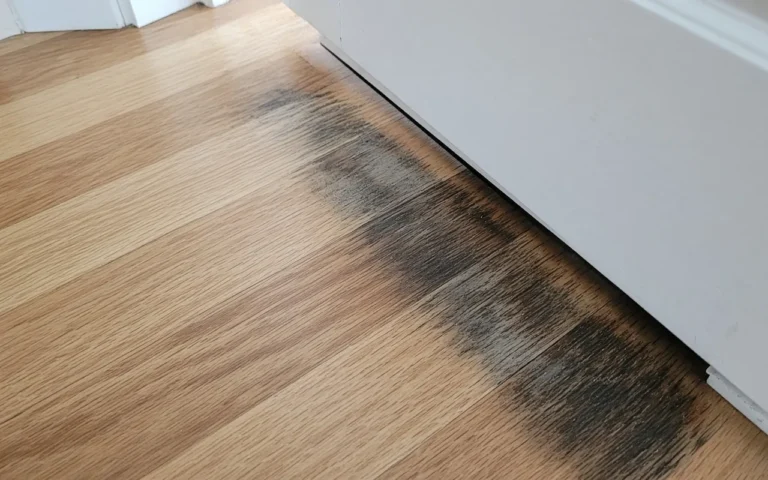
Urine damage to wood floors can be effectively addressed with deep cleaning techniques and the right products. The key is to act quickly to minimize staining and odor, using specialized cleaners designed for wood surfaces.
Assessing Urine Damage on Wood Floors
Before tackling urine damage on wood floors, it’s essential to accurately assess the extent of the problem. Identifying the affected areas and understanding the type of wood and finish will guide your cleaning approach. This careful evaluation lays the groundwork for effective restoration and deep cleaning techniques that can revive your floors.
Assessing the damage is crucial before proceeding with repairs. Check for discoloration, warping, or lingering odors. This evaluation will guide your cleaning and restoration efforts.
| Symptom | Primary Suspect | Difficulty (1-5) |
|---|---|---|
| Dark stains | Urine saturation | 4 |
| Odor persists | Residual urine | 3 |
| Warping | Moisture damage | 5 |
| Surface scratches | Cleaning mishaps | 2 |
Essential Tools for Urine Damage Repair
When tackling urine damage on wood floors, having the right tools is crucial for effective repair. This section highlights the essential equipment and supplies needed to deep clean and restore your flooring, ensuring you can effectively address stains and odors while preserving the integrity of the wood. Equip yourself with these tools to achieve the best results.
Collecting the right tools and materials is vital for effective cleaning. Ensure you have the following items ready before starting the cleaning process:
Enzymatic cleaner for breaking down urine
Microfiber cloths for gentle cleaning
Wood floor cleaner for final touch-ups
Baking soda for odor absorption
Sealant for protection after cleaning
Cleaning Preparation and Safety Tips
Before tackling urine damage on wood floors, it’s essential to prepare your cleaning environment and ensure safety. Understanding the right materials and methods can prevent further damage while protecting your health. This section outlines key preparation steps and safety tips to help you effectively address the issue.
Before beginning the cleaning process, take necessary precautions. Ensure the area is well-ventilated.
Wear gloves to protect your skin from harsh chemicals. Test any cleaner on a small, inconspicuous area of the floor to avoid damage.
Urine Damage Cleaning Steps
Urine damage can pose a serious threat to the integrity and appearance of wood floors. Understanding the right cleaning steps is crucial for effectively addressing stains and odors while preserving the wood’s finish. This section outlines practical methods to restore your floors and eliminate any lingering issues caused by urine exposure.
Follow these steps to effectively clean urine damage from wood floors:
Blot the area with a clean cloth to absorb excess moisture.
Apply the enzymatic cleaner generously to the affected area.
Let it sit for the recommended time to break down the urine.
Wipe the area with a damp microfiber cloth to remove residue.
Sprinkle baking soda over the area to neutralize odors.
Vacuum the baking soda after a few hours.
Urine Damage Treatment Techniques
Urine damage can be a persistent issue for wood floors, leading to unsightly stains and unpleasant odors. Understanding effective treatment techniques is essential for restoring your floors to their original condition. This section delves into proven methods for deep cleaning and repairing urine damage, ensuring your wood floors regain their beauty and integrity.
Persistent stains and odors may require additional treatment. Consider these options:
Hydrogen peroxide can lighten stubborn stains. Apply it carefully and monitor the results.
Vinegar solution (one part vinegar to three parts water) can help with odor removal. Use sparingly to avoid damaging the wood.
Addressing Scratches and Warping
Urine damage can lead to unsightly scratches and warping on wood floors, compromising their beauty and integrity. Understanding how to effectively address these issues is crucial for restoring your flooring to its original condition. This section provides practical techniques for repairing scratches and mitigating warping, ensuring your wood floors regain their charm and durability.
If the wood has been scratched or warped, further action may be necessary. Depending on the severity, consider the following:
Wood filler can repair minor scratches. Apply it according to the manufacturer’s instructions.
Sanding may be required for deeper scratches. Use fine-grit sandpaper and follow up with a wood finish.
Refinishing can restore the original look of the floor. This process involves sanding down the entire area and applying a new finish.
Future Urine Damage Prevention Strategies
Preventing future urine damage to wood floors requires a proactive approach that combines effective cleaning techniques with protective measures. Understanding the behaviors that lead to accidents and implementing strategies to deter them can help maintain the integrity of your flooring. This section outlines practical steps to safeguard your wood floors from potential damage.
Taking preventive measures can save you from future issues. Implement these strategies:
Regularly clean spills immediately to prevent absorption.
Use area rugs in high-traffic areas to protect the wood.
Seal the floors with a protective finish to resist stains and moisture.
Protecting Repaired Wood Floors from Damage
After successfully repairing urine damage to your wood floors, it’s essential to implement protective measures to maintain their integrity. This section outlines effective strategies to safeguard your newly restored surfaces from future harm, ensuring they remain beautiful and durable for years to come. By following these tips, you can enjoy your wood floors without the worry of recurring issues.
After cleaning and repairing, ensure the floor is adequately protected.
Apply a sealant to safeguard against future damage.
Monitor the area for any signs of recurring issues.
Always follow manufacturer instructions for any cleaning or repair products to avoid further damage to your wood floors.
For more repairs like this, start in the Water Damage & Stains hub. If you are working through a related problem next, see Water Damaged Wood Floor Repair (Easy DIY Restoration Steps) or Wood Floors from Dog Urine: Deep Cleaning and Restoration.
